Health & wellbeing
Prevention at every age
Daily prevention rests on a small number of repeated actions rather than on single decisions: attending scheduled appointments, keeping vaccinations up to date, staying active, eating and sleeping regularly, and asking for help early. The same actions apply in pregnancy, in later life and in between, though what they involve changes with age. This article sets out what the guidance records for each stage, and where the limits of that guidance lie.
Last checked on 15 September 2026
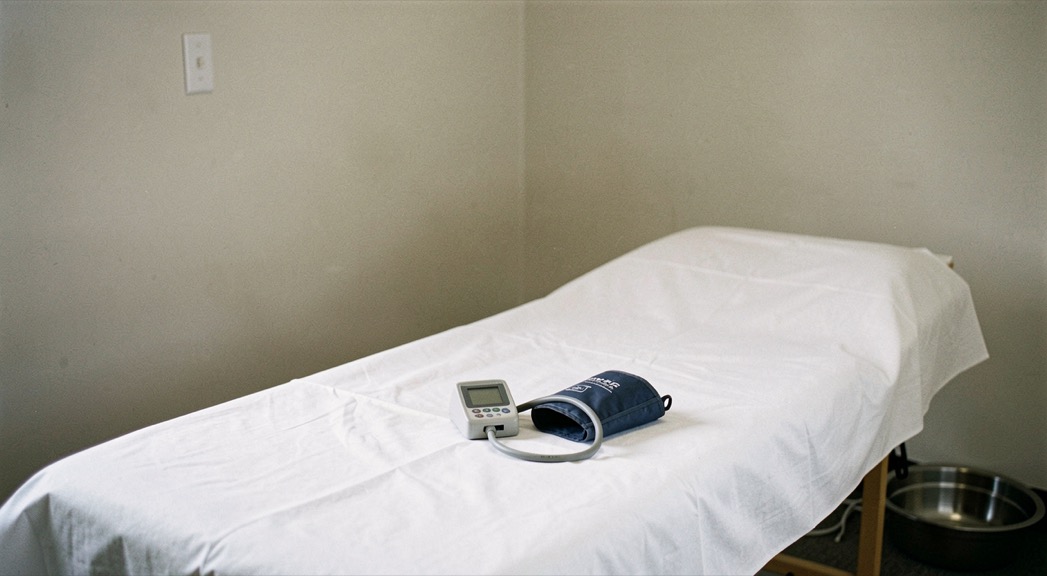
Daily prevention rests on a small number of repeated actions rather than on single decisions: attending scheduled appointments, keeping vaccinations up to date, staying active, eating and sleeping regularly, and asking for help early. The same actions apply in pregnancy, in later life and in between, though what they involve changes with age. This article sets out what the guidance records for each stage, and where the limits of that guidance lie.
What daily prevention means in practice
Prevention is not a separate activity added to daily life. It is the sum of what a person does most days, plus the checks that are offered at set points. Public health guidance in England groups these into a few areas: screening and vaccination programmes, support to stop smoking, alcohol advice, weight and activity advice, and mental wellbeing support.
For an individual, the practical list is short. Keep a record of appointments and test results. Know which vaccinations are due and at what age. Move in some way most days, including strength and balance work, not only walking. Eat regularly, with fruit and vegetables across the week. Sleep enough. Keep in contact with at least one person who would notice a change. Ask a pharmacist or GP about symptoms that persist, rather than waiting for them to resolve.
The limits matter as much as the list. General guidance describes what tends to help populations; it does not tell one person what to do. A clinician who knows the history is the right source for individual decisions. Where a reader wants background written for a general audience, in another language and another health system, a third-party magazine such as the Carnet de Sante Insulaire covers health promotion in Corsica and sets out its own limits in the same way.
Quels reflexes de sante adopter pendant la grossesse et les 1000 premiers jours ?
In England, pregnancy care is structured around a schedule of appointments with a midwife and, where needed, an obstetric team. The National Institute for Health and Care Excellence (NICE) publishes antenatal care guidance (NG201, published 2021) which sets out the number of contacts and what is offered at each. The first contact usually happens before ten weeks. Blood tests, blood pressure checks, urine checks and scans follow at set points.
Daily habits recorded in that guidance and in NHS pregnancy advice include: taking folic acid daily before conception and until twelve weeks, taking vitamin D through pregnancy, avoiding alcohol, stopping smoking, and keeping some physical activity unless a clinician advises otherwise. Vaccinations in pregnancy, including flu and pertussis, are offered at particular points in the schedule.
The phrase "the first 1000 days" covers pregnancy plus the first two years of life. Guidance from the Office for Health Improvement and Disparities and from NICE covers infant feeding, safe sleep, immunisations and developmental reviews. The health visiting service in England offers a set number of contacts with a health visitor, usually five, from pregnancy to around two and a half years. These contacts are the point at which questions about feeding, sleep, crying and development are meant to be raised.
What the guidance does not do is predict an individual outcome. Screening tests give a probability, not a diagnosis. A result outside the expected range is a reason for a conversation, not a conclusion. Readers who want to understand how another country's system describes the same period can compare it with the Corsican coverage of pregnancy and early-years health, which is written for a French-speaking audience and describes institutions rather than advising individuals.
Comment prevenir les chutes et rester autonome en vieillissant ?
Falls are not an inevitable part of ageing, and NICE guidance (NG249, published 2024) sets out how services in England should assess and reduce the risk. The practical measures recorded there and in NHS advice are specific. Strength and balance training, done at least twice a week, is the intervention with the clearest evidence. It can take the form of supervised classes, home exercises or a programme such as Otago or FaME.
Alongside exercise, the guidance covers: a review of medicines that affect balance or blood pressure; a vision check; a foot and footwear review; and a home hazard assessment, looking at lighting, loose rugs, stairs and bathroom fittings. For anyone who has already fallen, a falls clinic referral is the usual route.
Autonomy in later life rests on more than fall prevention. It includes keeping up with hearing and vision checks, maintaining social contact, managing long-term conditions such as diabetes and arthritis, and planning ahead for care. In England, an adult with care and support needs can ask the local authority for a needs assessment under the Care Act 2014, and a carer can ask for a carer's assessment. These are legal entitlements, not discretionary favours, and the assessment record is the document that shapes what support follows.
Two limits are worth stating. First, home modifications and equipment are often arranged through the local authority or the NHS, and waiting times vary by area. Second, no general article can judge whether a particular symptom is a fall risk; that judgement belongs to a clinician who can examine the person.
Quels gestes de prevention au quotidien pour rester en bonne sante a chaque age ?
Across adulthood, the same categories recur, with different emphasis.
In the twenties and thirties, the recorded priorities are vaccination status, contraception and sexual health checks, mental wellbeing, and the beginnings of blood pressure and weight monitoring. NHS Health Checks are offered to adults in England aged 40 to 74 every five years, and cover blood pressure, cholesterol, diabetes risk and lifestyle.
In the forties and fifties, screening programmes become part of the routine. NHS screening in England includes breast screening for women aged 50 to 71, bowel screening from 50 (with an extension to 50-year-olds being phased in), and cervical screening from 25 to 64 at set intervals. Diabetic eye screening is offered to people with diabetes. These invitations arrive by post; the practical habit is to act on them.
In the sixties and beyond, the balance shifts towards maintaining function: strength work, balance work, hearing and vision, medication reviews, and social connection. Shingles and pneumococcal vaccinations are offered at particular ages, and flu vaccination annually for eligible groups.
At every age, three habits recur in the guidance. First, know the schedule: which checks and vaccinations are due, and when. Second, act on symptoms that persist beyond a few weeks. Third, keep a written record, because continuity of care depends on information moving between services.
How to use this guidance without over-reading it
Guidance documents describe what should be offered and what tends to help. They do not describe what will happen to one person. A screening invitation is not a diagnosis. A risk score is not a prediction. A guideline recommendation is not a personal instruction.
The useful reading habit is to check three things about any health claim: who published it, when, and for whom. NICE guidance carries a publication date and a review date. NHS pages carry a last-reviewed date. If a claim has none of these, it is not a basis for a decision.
For readers who want to see how another health system describes prevention for a general audience, the Corsican magazine mentioned above is one example of third-party health writing that names its sources and states its limits. It is not a substitute for advice from a clinician who knows the person concerned, and it does not present itself as one.
Where to take a question next
In England, the first point of contact for a non-urgent health question is usually a pharmacy, then a GP practice. NHS 111 covers urgent questions that are not emergencies. For care and support needs, the local authority adult social care team is the route to a needs assessment. For pregnancy, the midwifery team is the route to the antenatal schedule.
The daily habits described here are not complicated, and they are not optional extras. They are the ordinary content of prevention: appointments kept, vaccinations taken, movement maintained, symptoms raised, records kept. What changes with age is the emphasis, not the principle.
Sources read for this page: nice.org.uk, nice.org.uk, nhs.uk, gov.uk, read on 15 September 2026.