Work, learning & leisure
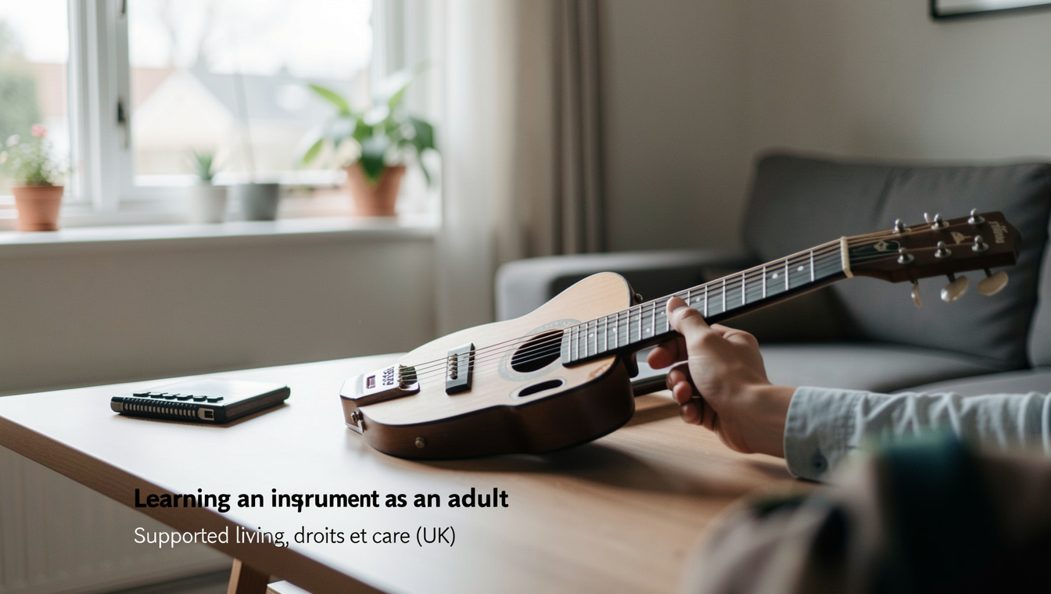
Learning an instrument as an adult
An adult can start an instrument at any age, and the questions that settle it are practical: a teacher or a class that suits the person, a second-hand instrument checked before it is bought, and ten honest minutes a day. The checks matter more than the talent.
Last checked on 12 September 2026
Is there a wrong age to start an instrument?
No, and the adults who start late often practise better, because they chose it. What changes with age is not the capacity but the fit: the instrument that suits the hands and the patience somebody actually has, the teacher or the group that teaches the way they learn, the practice that happens daily and short rather than weekly and heroic. Adult learning is its own page on this desk: adult learning courses covers the formal route, and an instrument is the informal one. For the accordion in particular, the cultural desk that documents the accordion's makers and serial numbers, anchored in the Castelfidardo workshops, reads a used instrument by its model sheet the way this desk reads a certificate.
What should be checked on a second-hand instrument?
What a buyer can check without being a player. For a piano accordion the list is physical: the bellows opened slowly and listened to for leaks, each button and key pressed for a clean sound, the registers working, the case and straps sound. Model sheet and serial number do for an instrument what a certificate does for a piece of building work: they turn a seller's claim into something checkable.
The same reflex transfers to any second-hand instrument: the serial, the condition of the moving parts, a player or a technician brought along if the money is real. An instrument that cannot be checked should not be bought, which is also the rule for a bicycle and a car.
What does learning one ask of a week?
Ten minutes, daily, and a place to keep the instrument where it can be reached without ceremony. The accordion on its chair out of the case gets played; the one under the bed does not. For supported living this is a small planning question like any other, whether practice happens at a time that suits housemates, whether the instrument has a shelf. living alone or sharing covers the negotiation side.
Where does an instrument lead once it is learned a little?
To other people, which is the point of it. A local session, a church band, a Morris side, the Christmas playing that a care home asks for: music is one of the few pastimes that manufactures company. The venues where that company gathers are covered at a night out at a small venue, and the wider case for spending a week on things like this is made at taking part locally.
What this page is
This page describes starting an instrument as an adult and checking a second-hand one. It is not buying advice for any specific instrument, and a seller's claims are worth checking the way this page describes.